
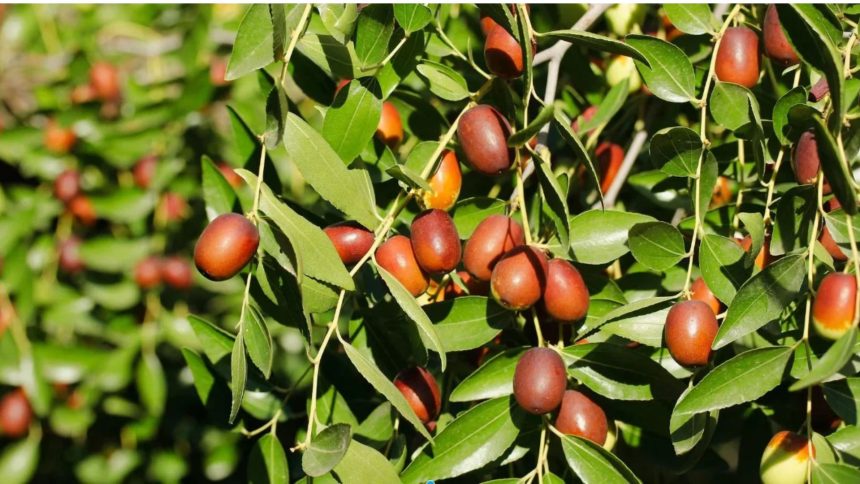
Have you ever come across a small, reddish fruit that looks like a date but tastes like a crisp apple when fresh? That’s žižole, a fascinating fruit with a long history and surprising health benefits. Known in many parts of the world as jujube, this humble fruit has quietly been nourishing people for thousands of years.
In this article, we’ll explore everything you need to know—from its origins and nutritional value to how you can enjoy it in your daily life. Think of žižole as a hidden gem in the fruit world—simple on the outside, but packed with goodness inside.
What Are Žižole?
Žižole are the fruits of the tree scientifically known as Ziziphus jujuba. They are small, oval-shaped fruits that change color as they ripen—from green to reddish-brown.
When fresh, they have a crisp texture similar to apples. Once dried, they become chewy and sweet, resembling dates. This dual personality makes them unique among fruits.
You might hear them called by different names around the world—jujube, red date, or Chinese date—but they all refer to the same nutritious fruit.
A Brief History of This Ancient Fruit
Žižole aren’t new. In fact, they’ve been cultivated for over 4,000 years, especially in Asia. Ancient civilizations valued them not just as food but also as part of traditional wellness practices.
They spread over time to the Mediterranean region and beyond, where they became a staple in local diets. Today, they are enjoyed globally, though many people are still discovering them for the first time.
Nutritional Value: Small Fruit, Big Benefits
Don’t let their size fool you—žižole are packed with nutrients.
Key nutrients include:
- Vitamin C
- Fiber
- Antioxidants
- Potassium
- Natural sugars
A handful of these fruits can give you a quick energy boost while supporting your immune system. Think of them as nature’s little energy capsules—compact but powerful.
Health Benefits You Should Know
1. Boosts Immunity
Žižole are rich in vitamin C, which helps your body fight off infections. Regular consumption can support your immune defenses naturally.
2. Improves Digestion
Thanks to their fiber content, they help keep your digestive system running smoothly. If you often feel bloated or sluggish, this fruit might help.
3. Supports Better Sleep
Traditionally, žižole have been used to promote relaxation and improve sleep quality. They contain natural compounds that may calm the mind.
4. Enhances Skin Health
Antioxidants in the fruit help fight free radicals, which can damage skin cells. Over time, this may contribute to healthier, more radiant skin.
5. Provides Natural Energy
Feeling tired in the afternoon? Instead of reaching for processed snacks, a few dried žižole can give you a steady energy lift.
Fresh vs Dried: What’s the Difference?
You might wonder—should you eat them fresh or dried?
Fresh žižole:
- Crisp and slightly tart
- Similar to apples in texture
- Refreshing and hydrating
Dried žižole:
- Sweet and chewy
- More concentrated flavor
- Longer shelf life
Both forms have their own charm. It’s like choosing between grapes and raisins—same fruit, different experience.
How to Eat Žižole
Not sure how to include them in your diet? Don’t worry—it’s easier than you think.
Here are some simple ideas:
- Eat them fresh as a snack
- Add dried ones to tea for a sweet flavor
- Mix into oatmeal or yogurt
- Use in desserts like cakes or puddings
- Blend into smoothies
They’re incredibly versatile, making them a great addition to both sweet and savory dishes.
Growing Žižole: Can You Do It at Home?
Yes, you can! The jujube tree is hardy and adaptable.
Growing conditions:
- Warm climates are ideal
- Requires well-drained soil
- Needs moderate watering
Once established, the tree is surprisingly low-maintenance. If you enjoy gardening, growing your own žižole can be a rewarding experience.
Cultural Significance Around the World
Žižole hold a special place in many cultures.
In parts of Asia, they symbolize prosperity and good health. They’re often used in traditional celebrations and herbal preparations.
In Mediterranean regions, they’re enjoyed as seasonal treats and sometimes turned into syrups or jams.
This fruit isn’t just food—it’s part of cultural heritage.
Are There Any Side Effects?
For most people, žižole are safe to eat.
However, moderation is key. Eating too many may cause:
- Mild digestive discomfort
- Interactions with certain medications
If you have a medical condition or take medication regularly, it’s always a good idea to consult a healthcare professional.
Žižole in Modern Diet Trends
With the rise of natural and whole foods, žižole are gaining popularity again.
They fit perfectly into:
- Plant-based diets
- Clean eating plans
- Low-fat nutrition approaches
People are rediscovering what ancient cultures already knew—this fruit is both delicious and nourishing.
Storage Tips to Keep Them Fresh
Want to make your žižole last longer?
For fresh ones:
- Store in the refrigerator
- Use within a week
For dried ones:
- Keep in an airtight container
- Store in a cool, dry place
Proper storage helps preserve both flavor and nutritional value.
Why You Should Try Žižole Today
If you’ve never tried žižole before, now might be the perfect time.
They’re like a bridge between the past and present—a fruit that has stood the test of time while fitting seamlessly into modern lifestyles.
Simple, natural, and full of benefits, they offer something for everyone.
Conclusion
Žižole may not be the most famous fruit on your grocery list, but they certainly deserve a spot there. With their rich history, impressive nutritional profile, and versatility, they bring both flavor and wellness to the table.
Whether you enjoy them fresh for their crisp bite or dried for their sweetness, they are a delightful addition to any diet. Sometimes, the best things really do come in small packages—and žižole are proof of that.
FAQs
1. What do žižole taste like?
Fresh ones taste like a mix of apple and pear, while dried ones are sweet and similar to dates.
2. Are žižole good for weight loss?
Yes, they are low in calories and high in fiber, which can help you feel full longer.
3. Can I eat žižole every day?
In moderate amounts, yes. They are safe and nutritious for daily consumption.
4. Are žižole the same as dates?
No, but dried žižole resemble dates in texture and sweetness.
5. Where can I buy žižole?
You can find them in local markets, health food stores, or online, especially in regions where they are commonly grown.